Starting fluid spraying back out of air filter

how did it get hydro-locked? You spraying fuel in, or the carb dumping it in, or rain water, etc.?
 
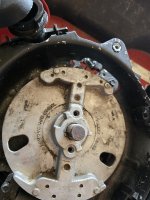
Toro 21472 that won't start. I tested it by spraying starting fluid into the air filter. When I pull the starter cord, the starting fluid sprays back out of the air filter instead of being drawn in.
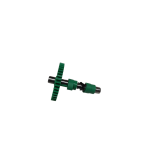
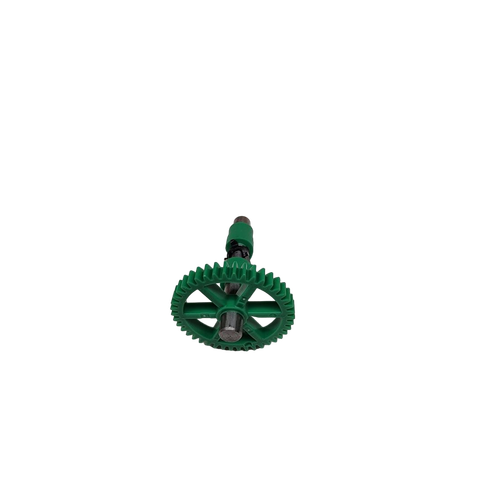
To me, the cam is dead. Lobes have shifted from where they were from new. New cam time.

Pull the cam and look at an online pic of a new one. Compare lobe placement.
 
To me, the cam is dead. Lobes have shifted from where they were from new. New cam time.

Pull the cam and look at an online pic of a new one. Compare lobe placement.
It takes a lot of hours to wear down cam lobes. Are you just guessing this diagnosis based on experience? I have never seen an engine not run as a direct result of worn cam lobes.
 
It takes a lot of hours to wear down cam lobes. Are you just guessing this diagnosis based on experience? I have never seen an engine not run as a direct result of worn cam lobes.
Not necessarily worn but the lobes could of rotated ON the shaft throwing cam timing off.

This sounds like a huge cam install in say a drag racing type engine. Tons of valve overlap with the intake charge blowing back out the intake into the carb throat to the air filter. Or the cam in not installed slash timed proper.

Is this a Briggs plastic cam engine? It is a Toro push mower.
 
Thanks for narrowing this down! If it does turn out to be the cam lobes shifted on the shaft, what would be involved in confirming and fixing that? What tools would I need to split the crankcase and inspect/replace the cam, and are there any good videos you'd recommend for this specific repair? Also curious how difficult this repair typically is for someone who's only done basic small engine work so far (valve adjustment, etc.) - is this a reasonable DIY job or more of a "send it to a shop" repair? Thanks.
 

Attachments

  • 20260805_103621.jpg
    20260805_103621.jpg
    1.6 MB · Views: 3
You can pull the spark plug out, and shine a light down in there. If you have a straight shot down to the top of the piston you can put in a clean bamboo skewer etc, and see it go up and down with the engine being slowly turned by hand in the correct direction. If you can see the valves, you will watch them go intake open (intake stroke), both closed (at the compression stroke), power stroke down (exhaust will begin to open), exhaust stroke up (where exhaust is open as piston heads back up), then intake again. If you find the spot where the piston is at top dead center on the compression stroke, both valves should be closed. Briggs says to adjust the valves at 1/4" past top dead center. If you measure that spot then both valves should be closed at that point. If you find any other combination then the cam plastic has rotated on the shaft. Example - if you find that valves are always open when at TDC regardless of stroke, and that both close when the piston is 1/2 way down, that would let you know the cam plastic turned on the steel shaft.

I m hesitant to suggest anything else, because these are fundamental things to how a 4-cycle engine operates, and it might become overwhelming to go further. If the cam has shifted, paying a shop to put in a new cam may be more than just buying a new engine for it.

A new 163cc vertical motor from https://shop.briggsandstratton.com is only $265, so compare that to a new cam and someone putting it in. If you are in California then getting a new engine might be a hassle due to the no small gasoline engine law. But in other places a new engine would be doable. You'll need to know the shaft length and diameter if you go to replace the engine.
 
Last edited:
Back
Top