
You are using an out of date browser. It may not display this or other websites correctly.
You should upgrade or use an alternative browser.
You should upgrade or use an alternative browser.
Export thread
Repeat of Compression Relief Failure Causing Choke-Sputter-Die, or Both?
#1
S
Sears L2000
S
Sears L2000
2013 T2000 Craftsman 42” rider with 19hp B&S 540.
2016 at 3 years, 3 months, compression relief system failed. $800 to rebuild damage. B&S refused warranty fix. My $.
2016- 2025, Until August ran normally.
2025 August. Started to be same locked compression, no crank, hit hard spot and no spin. Half dozen times. No question, spin until hit hard spot. Engine would eventually spin to start after recharging battery to max each time.
2025 October. Magically began starting normally every time. Started normally for 10-15-20 times mowing and leaves.
2025 November. Still starting normally, BUT the famous choke start, run perfectly, sputter, die cycle started yesterday. Restart and repeat began. 50 times.
2025, November, today. New fuel, new fuel filter, old complete carb removed and replaced with brand new complete carb, PITA but doable. With new carb, the Engine started instantly, ran, sputtered, died just like before replacing fuel, filter, AND carb. 20-30 times exactly the same. Choke start even hot, run smooth, run rough, sputter, die, no matter where throttle is (choke, run, medium, idle). It would generally restart in any throttle position. Quicker choked.
When it changes from smooth running purr to sputter, the governor arm starts fluttering.
Gas in tank, inline filter mostly full, full flow if carb line taken off. Gas is going into new carb just fine.
Is this the compression relief system again?
2016 at 3 years, 3 months, compression relief system failed. $800 to rebuild damage. B&S refused warranty fix. My $.
2016- 2025, Until August ran normally.
2025 August. Started to be same locked compression, no crank, hit hard spot and no spin. Half dozen times. No question, spin until hit hard spot. Engine would eventually spin to start after recharging battery to max each time.
2025 October. Magically began starting normally every time. Started normally for 10-15-20 times mowing and leaves.
2025 November. Still starting normally, BUT the famous choke start, run perfectly, sputter, die cycle started yesterday. Restart and repeat began. 50 times.
2025, November, today. New fuel, new fuel filter, old complete carb removed and replaced with brand new complete carb, PITA but doable. With new carb, the Engine started instantly, ran, sputtered, died just like before replacing fuel, filter, AND carb. 20-30 times exactly the same. Choke start even hot, run smooth, run rough, sputter, die, no matter where throttle is (choke, run, medium, idle). It would generally restart in any throttle position. Quicker choked.
When it changes from smooth running purr to sputter, the governor arm starts fluttering.
Gas in tank, inline filter mostly full, full flow if carb line taken off. Gas is going into new carb just fine.
Is this the compression relief system again?
#2

Scrubcadet10
Scrubcadet10
take the valve cover off and spark plug out, spin the engine over by hand and look for the intake valve to bump open slightly after the full intake stroke and the intake valve completely opens
#3

Tiger Small Engine
Tiger Small Engine
The carburetor you installed isn’t dead on correct and is probably a large part of the poor starting and running issue. New doesn’t always mean correct.2013 T2000 Craftsman 42” rider with 19hp B&S 540.
2016 at 3 years, 3 months, compression relief system failed. $800 to rebuild damage. B&S refused warranty fix. My $.
2016- 2025, Until August ran normally.
2025 August. Started to be same locked compression, no crank, hit hard spot and no spin. Half dozen times. No question, spin until hit hard spot. Engine would eventually spin to start after recharging battery to max each time.
2025 October. Magically began starting normally every time. Started normally for 10-15-20 times mowing and leaves.
2025 November. Still starting normally, BUT the famous choke start, run perfectly, sputter, die cycle started yesterday. Restart and repeat began. 50 times.
2025, November, today. New fuel, new fuel filter, old complete carb removed and replaced with brand new complete carb, PITA but doable. With new carb, the Engine started instantly, ran, sputtered, died just like before replacing fuel, filter, AND carb. 20-30 times exactly the same. Choke start even hot, run smooth, run rough, sputter, die, no matter where throttle is (choke, run, medium, idle). It would generally restart in any throttle position. Quicker choked.
When it changes from smooth running purr to sputter, the governor arm starts fluttering.
Gas in tank, inline filter mostly full, full flow if carb line taken off. Gas is going into new carb just fine.
Is this the compression relief system again?
#4

ILENGINE
ILENGINE
I agree with @Scrubcadet10 about pulling the valve cover and spark plug and turning the engine over by hand to watch the valve for compression bump off. I would also run it through a few cycles and what how far the valves are opening. Make sure both valves are opening the same distance.
This engine is currently showing signs of a carb that isn't filling properly, but also is showing signs of a compression release or valve clearance issue, but has hints of a possible bad cam lobe that isn't fully opening a valve.
$800 for a failed compression release on the camshaft. Back in 2016, $800 would of been a new replacement engine installed
This engine is currently showing signs of a carb that isn't filling properly, but also is showing signs of a compression release or valve clearance issue, but has hints of a possible bad cam lobe that isn't fully opening a valve.
$800 for a failed compression release on the camshaft. Back in 2016, $800 would of been a new replacement engine installed
#5
S
Sears L2000
S
Sears L2000
Info followup:
ILENGINE: Thank you. As a simple old pushing 80 retired guy looking forward to my Ssecurity 2.8%? COLA, I am out of apparent real options that I understand how to do to salvage this one. What I “hate” is taking good care of a machine, it still looks very nice and clean, and yet mechanically its coming undone beyond unbolt a part and bolt on a new one.
The 2016 fixit bill was half of the original Sears store $14xx cost, +/-. The cam shaft and a valve were replaced in the process.
As to the new carb, the engine runs perfectly for a while, will go smoothly screaming faster if governor is held by hand, returns to the governor, runs fine, and then starts missing, sputtering slows down and dies. 30 seconds later, it will easily start and repeat that sequence running for another 25-30-35 seconds.
The old carb was sprayed with carb cleaner inside the gas inlet, up the bottom hole, and cleaned outside and then was exactly the same before and after.
The new carb runs the engine exactly the same way.
I do not know , but coincidences matter. The compression lock, followed by suddenly not compression locking, followed by run, sputter, die is an indication of something.
(As an aside, this is the second Briggs engine on a Craftsman that compression start locked. That one had the decency to run forever after starting with starting ether. A 2007 20hp. Two separate mowing locations. The deck on that one was worn through, the tires were worn out and leaked, the seat cracked/duct taped, and one of the blade bearing towers was bent on a tree root. Scrapped.)
ILENGINE: Thank you. As a simple old pushing 80 retired guy looking forward to my Ssecurity 2.8%? COLA, I am out of apparent real options that I understand how to do to salvage this one. What I “hate” is taking good care of a machine, it still looks very nice and clean, and yet mechanically its coming undone beyond unbolt a part and bolt on a new one.
The 2016 fixit bill was half of the original Sears store $14xx cost, +/-. The cam shaft and a valve were replaced in the process.
As to the new carb, the engine runs perfectly for a while, will go smoothly screaming faster if governor is held by hand, returns to the governor, runs fine, and then starts missing, sputtering slows down and dies. 30 seconds later, it will easily start and repeat that sequence running for another 25-30-35 seconds.
The old carb was sprayed with carb cleaner inside the gas inlet, up the bottom hole, and cleaned outside and then was exactly the same before and after.
The new carb runs the engine exactly the same way.
I do not know , but coincidences matter. The compression lock, followed by suddenly not compression locking, followed by run, sputter, die is an indication of something.
(As an aside, this is the second Briggs engine on a Craftsman that compression start locked. That one had the decency to run forever after starting with starting ether. A 2007 20hp. Two separate mowing locations. The deck on that one was worn through, the tires were worn out and leaked, the seat cracked/duct taped, and one of the blade bearing towers was bent on a tree root. Scrapped.)
#6
A
Auto Doc's
A
Auto Doc's
Hello S.,
Your Aftermarket carburetor is creating most of the poor running issues. Just because it fits does not mean it works correctly. Aftermarket carburetors are a crap shoot.
Secondly, the governor has nothing to do with the engine surge. The governor has only one job and that is to prevent the carburetor from running wide open and blowing the engine apart. (It governs the engine top running speed by resisting excess throttle opening)
Third, the valves are likely out of adjustment after all of the time and need the gaps reset so the compression release can do its job.
Your Aftermarket carburetor is creating most of the poor running issues. Just because it fits does not mean it works correctly. Aftermarket carburetors are a crap shoot.
Secondly, the governor has nothing to do with the engine surge. The governor has only one job and that is to prevent the carburetor from running wide open and blowing the engine apart. (It governs the engine top running speed by resisting excess throttle opening)
Third, the valves are likely out of adjustment after all of the time and need the gaps reset so the compression release can do its job.
#7
S
Sears L2000
S
Sears L2000
I hear you about carbs.
But the factory carb with no effort to clean, the factory carb with carb and choke cleaner, and the replacement carb all result in the exact same operation symptoms. If anything, it runs slightly longer with the replacement carb.
The valves and compression release adjustments need looking at by someone smarter than me. No idea how a dumb old bunny figures that stuff out.
But the factory carb with no effort to clean, the factory carb with carb and choke cleaner, and the replacement carb all result in the exact same operation symptoms. If anything, it runs slightly longer with the replacement carb.
The valves and compression release adjustments need looking at by someone smarter than me.
No idea how a dumb old bunny figures that stuff out.
#8
A
Auto Doc's
A
Auto Doc's
I understand. Do you have any grandkids that are mechanically inclined?
Is there a reputable independent repair shop or hobby mechanic in your area?
I have no use for dealer shops because all they typically have are guys for new equipment setup. Or they have people with no actual practical experience who just swap parts
Is there a reputable independent repair shop or hobby mechanic in your area?
I have no use for dealer shops because all they typically have are guys for new equipment setup. Or they have people with no actual practical experience who just swap parts
#9
S
Sears L2000
S
Sears L2000
All large urban expensive. After I retired, I myself and me is who the mom’s at home in the neighborhood brought non starting lawn blowers and mowers, dull blades, or she could use some help because “I’m sorta too pregnant to push the mower.” For years, I have mowed two elderly, more elderly than me, neighbors’ lawns and mowed leaves into spiral to the center with triple cutter wing deck blades to make small piles. Easier than attending funerals after the really old ones might over exert. Today, five of us, the more able bodied, used blowers and rakes instead of my mower to bag leaves. (I have an 80 volt Lowe’s Kobalt blower and three batteries.) Lean on cane. Damx blower has so much thrust it almost knocks me over backwards unless you lean into it. Nice place to live.
Mostly its leaves now.
BUT,
Watched two hours of Utube about how to adjust valves videos. Will check that and adjust. Seems easy.
Found Utubees on compression relief valve. Know where its at and know what/how it works now. Cheap and made to break and wear. No comprehension of how compression was locked in my mower at start and then suddenly spins normally to start. Had to be bad inside.
Three kids, engineer-accountant-architect, are as they put it “grease adverse.” “Guns are like fish, Dad’s clean them.” Oldest grandkids, ditto. They do not understand, were never trainable, and never needed mechanical skills I got on a dairy farm in the 1950’s and 1960’s before 8 years of college.
So I shall explore valves.
Today, five of us, the more able bodied, used blowers and rakes instead of my mower to bag leaves. (I have an 80 volt Lowe’s Kobalt blower and three batteries.) Lean on cane. Damx blower has so much thrust it almost knocks me over backwards unless you lean into it. Nice place to live.Mostly its leaves now.
BUT,
Watched two hours of Utube about how to adjust valves videos. Will check that and adjust. Seems easy.
Found Utubees on compression relief valve. Know where its at and know what/how it works now. Cheap and made to break and wear. No comprehension of how compression was locked in my mower at start and then suddenly spins normally to start. Had to be bad inside.
Three kids, engineer-accountant-architect, are as they put it “grease adverse.” “Guns are like fish, Dad’s clean them.” Oldest grandkids, ditto. They do not understand, were never trainable, and never needed mechanical skills I got on a dairy farm in the 1950’s and 1960’s before 8 years of college.
So I shall explore valves.
#10
F
Forest#2
F
Forest#2
You asked?
is this the compression relief system again?
From your description, not likely yet.
Did I overlook the engine model, type and code? (appears to be maybe a single cylinder Briggs??????????
The valve lash needs checked. If the intake valve lash is more than .005 the engine will hang on crank. If exhaust lash is less than .002 it might sputter sometimes. The compression release is on the intake valve. specs are usually .003-.005. Lots of you tube info about how to check and adjust.
We feel your pain about not being able to find a reliable honest small engine mechanic.
Hard crank through probably valves lash needs adjusted. (been several years since adjusted. Also it's quite common for the valve lash on a old engine to REQUIRE re-checking the adjustment after the engine has been operated couple hours after the initial adjustment, Quite common for the lash adjustment to change on a old engine the first time it's adjusted. The critical one is the intake valve lash)
Your description might be two issues, valve lash, water in gas and or ignition.
Sputtering could be ignition or contaminated gas, such as water in the fuel
I would drain the gas tank and install fuel from another gas can. (both carbs act same you say)
Install a new properly gapped spark plug.
If symptoms still same I would install a $15 replacement magneto. (search on-line about such, setting the air gap, etc for your model engine))
is this the compression relief system again?
From your description, not likely yet.
Did I overlook the engine model, type and code? (appears to be maybe a single cylinder Briggs??????????
The valve lash needs checked. If the intake valve lash is more than .005 the engine will hang on crank. If exhaust lash is less than .002 it might sputter sometimes. The compression release is on the intake valve. specs are usually .003-.005. Lots of you tube info about how to check and adjust.
We feel your pain about not being able to find a reliable honest small engine mechanic.
Hard crank through probably valves lash needs adjusted. (been several years since adjusted. Also it's quite common for the valve lash on a old engine to REQUIRE re-checking the adjustment after the engine has been operated couple hours after the initial adjustment, Quite common for the lash adjustment to change on a old engine the first time it's adjusted. The critical one is the intake valve lash)
Your description might be two issues, valve lash, water in gas and or ignition.
Sputtering could be ignition or contaminated gas, such as water in the fuel
I would drain the gas tank and install fuel from another gas can. (both carbs act same you say)
Install a new properly gapped spark plug.
If symptoms still same I would install a $15 replacement magneto. (search on-line about such, setting the air gap, etc for your model engine))
#11

woodstover
woodstover
Also time to check and adjust valve clearances if necessary. Only adjust valve clearances on a stone cold engine.take the valve cover off and spark plug out, spin the engine over by hand and look for the intake valve to bump open slightly after the full intake stroke and the intake valve completely opens
#12
Scrubcadet10

Scrubcadet10
Also time to check and adjust valve clearances if necessary. Only adjust valve clearances on a stone cold engine.
#13
S
Sears L2000
S
Sears L2000
Top valve a snug 4, 0.004”
Bottom valve at +/- 10, 0.010”
Reset both to 4.
New spark plug.
Have to get valve cover sealer to reattach.
Bottom valve at +/- 10, 0.010”
Reset both to 4.
New spark plug.
Have to get valve cover sealer to reattach.
#14
A
Auto Doc's
A
Auto Doc's
Just to clarify, both valves are set to .004" now? If so, that should be sufficient.
#15
S
slomo
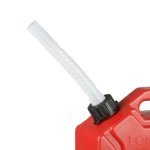
Do you have an old gas can with an open spout?
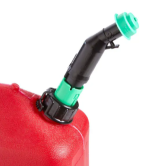
Or a new can with the EPA struggle your azz off trying to fill a mower up spout?
S
slomo
Finally a mention about where all this starts at.I would drain the gas tank and install fuel from another gas can
Do you have an old gas can with an open spout?
Or a new can with the EPA struggle your azz off trying to fill a mower up spout?
#17
S
Sears L2000
S
Sears L2000
Yes. Both 0.004” feeler.
Five gallon yellow cap top with breather air tube.
Already drained tank and lines when I replaced the carb and fuel filter. Used new Marathon station 87 car gas.
Five gallon yellow cap top with breather air tube.
Already drained tank and lines when I replaced the carb and fuel filter. Used new Marathon station 87 car gas.
#18

grumpyunk
grumpyunk
Run and stall sure sounds like a fuel flow problem to me. Ima few years behind you but still able to do a lot of things I expect will be more limited in a few years.
I would remove the fuel tank, and check the outlet fitting for debris that can get drawn to the outlet by fuel flow and restrict the flow.
You could test the theory by using a portable IV style fuel feed direct to the carb fuel inlet. If it quits its misbehaving it might well have some junk in the tank, so to speak.
Seems to me, unless there's a lot of gunk in the sump, sludge style stuff, the CR should work pretty reliably, and it has for umpteen years. (I am apalled at $800 for a cam swap) They generally don't flip flop too much, and when they fail it is a broken bob arm that removes the weight that allows the CR to quit dumping compression. Sometimes it eats the cam, etc, and you get to replace the engine/etc.
Any way, I would try an independent fuel supply, after checking that the float moves freely inside the float bowl. A partially sticking float could deny fuel flow, then after sitting, drop, and allow fuel to refill the bowl, and off you go again. My old geezer mower seems to suffer from vapor lock on hot days, causing the pump to push bubbles to the float bowl. Once it gets hot, I have to remove the hood, and sometimes that will make it run properly, sometimes it will gargle on with disturbed fuel being ingested, and it does not like that. Solution? I will run the fuel around the top of the engine rather than across inside the blower housing.
Check your fuel supply situation.
tom
I would remove the fuel tank, and check the outlet fitting for debris that can get drawn to the outlet by fuel flow and restrict the flow.
You could test the theory by using a portable IV style fuel feed direct to the carb fuel inlet. If it quits its misbehaving it might well have some junk in the tank, so to speak.
Seems to me, unless there's a lot of gunk in the sump, sludge style stuff, the CR should work pretty reliably, and it has for umpteen years. (I am apalled at $800 for a cam swap) They generally don't flip flop too much, and when they fail it is a broken bob arm that removes the weight that allows the CR to quit dumping compression. Sometimes it eats the cam, etc, and you get to replace the engine/etc.
Any way, I would try an independent fuel supply, after checking that the float moves freely inside the float bowl. A partially sticking float could deny fuel flow, then after sitting, drop, and allow fuel to refill the bowl, and off you go again. My old geezer mower seems to suffer from vapor lock on hot days, causing the pump to push bubbles to the float bowl. Once it gets hot, I have to remove the hood, and sometimes that will make it run properly, sometimes it will gargle on with disturbed fuel being ingested, and it does not like that. Solution? I will run the fuel around the top of the engine rather than across inside the blower housing.
Check your fuel supply situation.
tom
#19
S
Sears L2000
S
Sears L2000
Update
-New spark plug
-Adjusted valves per above and replaced valve cover sealing
-Fully charged battery
-Fuel line and filter visibly full of gas
Now
-Cannot turn engine top by hand
-Mower battery alone cannot spin engine past compression
-Jumper cable addition of trolling motor battery spins it overcoming compression
-Fully choked, starts easy and
——-Runs five seconds, slows one second, stops
——-IF you immediately restart, it runs for 5 seconds, slows for one second, stops
——-IF wait 30 seconds
—————Exactly the same
—————Runs 5 seconds, slows for one second, stops
——-
——-IF throttled down choke off to wide open, runs perfect for 5 seconds, slows for one second, stops
Why do I think I am loosing?
-New spark plug
-Adjusted valves per above and replaced valve cover sealing
-Fully charged battery
-Fuel line and filter visibly full of gas
Now
-Cannot turn engine top by hand
-Mower battery alone cannot spin engine past compression
-Jumper cable addition of trolling motor battery spins it overcoming compression
-Fully choked, starts easy and
——-Runs five seconds, slows one second, stops
——-IF you immediately restart, it runs for 5 seconds, slows for one second, stops
——-IF wait 30 seconds
—————Exactly the same
—————Runs 5 seconds, slows for one second, stops
——-
——-IF throttled down choke off to wide open, runs perfect for 5 seconds, slows for one second, stops
Why do I think I am loosing?
#20
grumpyunk
grumpyunk
Is it possible your muffler got filled with mud dauber buildings? They will find semi protected spots and start to add mud if not disturbed. That could cause exhaust gas backup/back pressure that would make the engine able to run for a while and then ... not.
Had that happen on a SYM Super 9. Would run, then stall.. until I used a garden hose and screwdriver to muck out the dauber nests in the muffler.
tom
Had that happen on a SYM Super 9. Would run, then stall.. until I used a garden hose and screwdriver to muck out the dauber nests in the muffler.
tom
#21
F
Forest#2
F
Forest#2
Appears to be maybe at least two issues.
For ONE
We already know you are probably not getting a compression release IF the electrical/mechanical cranking system is ok.
Did you SEE the compression release bump as you slowly rotated the engine after you adjusted the INTAKE valve lash?
You can review on-line how to look for such.
For ONE
We already know you are probably not getting a compression release IF the electrical/mechanical cranking system is ok.
Did you SEE the compression release bump as you slowly rotated the engine after you adjusted the INTAKE valve lash?
You can review on-line how to look for such.
#22
S
Sears L2000
S
Sears L2000
My un mechanical wife went shopping and came home with a photo of the solution. All I had to do was go to the store she went to, match the picture to a new mower, and pay for it.

I will look inside the muffler.
I will look inside the muffler.
#24
S
Sears L2000
S
Sears L2000
That engine is attached to a SCAG Patriot. A long term solution, if needed.
The Sears B&S here is a challenge. When adjusting the valves, I found the top dead center where both valves are loose slightly. Set the gaps and tightened them. Good so far. Resealed.
I cannot say I looked for or noticed the compression relief bump. I was just looking for the loose TDC. Not the tight one.
I continue to marvel that my 1999 Craftsman Kohler 15.5hp continues to run just fine while the Craftsman 20hp is in the junk yard and the 2013 19hp seems on its way. (This does not count having to weld the 1999 frame sheet metal tears several times and weld & bolt the deck back on to the deck lifter plates.)
The Sears B&S here is a challenge. When adjusting the valves, I found the top dead center where both valves are loose slightly. Set the gaps and tightened them. Good so far. Resealed.
I cannot say I looked for or noticed the compression relief bump. I was just looking for the loose TDC. Not the tight one.
I continue to marvel that my 1999 Craftsman Kohler 15.5hp continues to run just fine while the Craftsman 20hp is in the junk yard and the 2013 19hp seems on its way. (This does not count having to weld the 1999 frame sheet metal tears several times and weld & bolt the deck back on to the deck lifter plates.)
#25
F
Forest#2
F
Forest#2
You say:
I cannot say I looked for or noticed the compression relief bump. I was just looking for the loose TDC. Not the tight one.
The valves are suppose to be adjusted at !/4 inch ATDC per the service manual.
You have to slowly rotate the engine in the run direction and carefully watch the intake push rod and rocker arm for the momentary intake valve lift just before the piston reaches TDC. The rocker arm should raise just little bit just before TDC (valve momentarily opens to dump some compression) and then re-close at TDC. After adjusting you can slowly rotate the engine in the run direction and feel manually for compression release. Remove the air cowling and use a breakover on the flywheel nut. (or leave the spark plug wire off and crank before re-installing the valve cover. (saves lots of time fooling around trying to diagnose valve/cam issues)
I've felt your pain with those Briggs single OHV's. Briggs should be ashamed of themselves.
I prefer replacing the single OHV's with the older L-head or the old L-head opposed twin engines. I've also replaced them with Kohler engines. Just have to do some minor wiring changes when using the Kohlers. If the PTO is electric the engine will need a 8 amp and up charging system.
I cannot say I looked for or noticed the compression relief bump. I was just looking for the loose TDC. Not the tight one.
The valves are suppose to be adjusted at !/4 inch ATDC per the service manual.
You have to slowly rotate the engine in the run direction and carefully watch the intake push rod and rocker arm for the momentary intake valve lift just before the piston reaches TDC. The rocker arm should raise just little bit just before TDC (valve momentarily opens to dump some compression) and then re-close at TDC. After adjusting you can slowly rotate the engine in the run direction and feel manually for compression release. Remove the air cowling and use a breakover on the flywheel nut. (or leave the spark plug wire off and crank before re-installing the valve cover. (saves lots of time fooling around trying to diagnose valve/cam issues)
I've felt your pain with those Briggs single OHV's. Briggs should be ashamed of themselves.
I prefer replacing the single OHV's with the older L-head or the old L-head opposed twin engines. I've also replaced them with Kohler engines. Just have to do some minor wiring changes when using the Kohlers. If the PTO is electric the engine will need a 8 amp and up charging system.
#26
S
slomo
S
slomo
Lack of maintenance ma-ma', lack of maintenance.I continue to marvel that my 1999 Craftsman Kohler 15.5hp continues to run just fine while the Craftsman 20hp is in the junk yard and the 2013 19hp seems on its way. (This does not count having to weld the 1999 frame sheet metal tears several times and weld & bolt the deck back on to the deck lifter plates.)
#27
W
Wrenchit
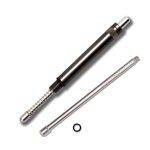
RAMATA Upgrade Top Dead Center Indicator on Amazon, around 12 bucks.
You can an axect 1/4" after with no guesswork.
I used chopsticks for years before I bought this thing.
 LOL
LOL
W
Wrenchit
Older thread, but if you do a lot of valve adjustments as I do, this little guy is great!You say:
I cannot say I looked for or noticed the compression relief bump. I was just looking for the loose TDC. Not the tight one.
The valves are suppose to be adjusted at !/4 inch ATDC per the service manual.
You have to slowly rotate the engine in the run direction and carefully watch the intake push rod and rocker arm for the momentary intake valve lift just before the piston reaches TDC. The rocker arm should raise just little bit just before TDC (valve momentarily opens to dump some compression) and then re-close at TDC. After adjusting you can slowly rotate the engine in the run direction and feel manually for compression release. Remove the air cowling and use a breakover on the flywheel nut. (or leave the spark plug wire off and crank before re-installing the valve cover. (saves lots of time fooling around trying to diagnose valve/cam issues)
I've felt your pain with those Briggs single OHV's. Briggs should be ashamed of themselves.
I prefer replacing the single OHV's with the older L-head or the old L-head opposed twin engines. I've also replaced them with Kohler engines. Just have to do some minor wiring changes when using the Kohlers. If the PTO is electric the engine will need a 8 amp and up charging system.
RAMATA Upgrade Top Dead Center Indicator on Amazon, around 12 bucks.
You can an axect 1/4" after with no guesswork.
I used chopsticks for years before I bought this thing.
LOL
#28
S
slomo
Used a non-hardening sealant on the valve cover. The next guy will kiss you on the mouth for this step.

S
slomo
Nice tool but not really needed. Turn engine where both valves are closed. Set gap to factory specs.Older thread, but if you do a lot of valve adjustments as I do, this little guy is great!
RAMATA Upgrade Top Dead Center Indicator on Amazon, around 12 bucks.
You can an axect 1/4" after with no guesswork.
I used chopsticks for years before I bought this thing.
View attachment 72448LOL
Used a non-hardening sealant on the valve cover. The next guy will kiss you on the mouth for this step.
#30
W
Wrenchit
I rarely use sealant because if the heads are true and you follow the torque sequence to factory spec, they shouldn't blow. The ones that never bother to clean the mice condos from under the blower housing are the worst, sealant wont help them. I did 17 this year, double of last year for some reason. I guess it is what it is.
W
Wrenchit
When you hit 70 and your eyes start to go south, any tool that helps is worth it. My dad had me grinding vales for him in 1963, so I've been at this a while. I also resurface the heads. After they run them half a season on one cylinder, they aren't too happy when they find out a head gasket isn't part of a tune up... lolNice tool but not really needed. Turn engine where both valves are closed. Set gap to factory specs.
Used a non-hardening sealant on the valve cover. The next guy will kiss you on the mouth for this step.
View attachment 72449
I rarely use sealant because if the heads are true and you follow the torque sequence to factory spec, they shouldn't blow. The ones that never bother to clean the mice condos from under the blower housing are the worst, sealant wont help them. I did 17 this year, double of last year for some reason. I guess it is what it is.
#31
A
Auto Doc's
People are slowly starting to realize the sting of the current economy when a new mower can easily cost more than a used vehicle these days.
In my area it has not picked up for people repairing used stuff much (yet), they still have plenty of credit cards to max out before they hit the desperation point.
Trying to sell used equipment has bottomed out in the past few months, so I quit trying to rebuild a resell a lot of good (low hour) equipment with a lot of life left in it.
Hauling most of the really bad ones to salvage is becoming a twice a year venture for me. I sell what parts I can on eBay, but even that has slowed to a crawl. Shipping has gone through the roof since the pandemic and people expect it to be "free". I've never seen a shipping service actually work for free.
A
Auto Doc's
Hi W.,When you hit 70 and your eyes start to go south, any tool that helps is worth it. My dad had me grinding vales for him in 1963, so I've been at this a while. I also resurface the heads. After they run them half a season on one cylinder, they aren't too happy when they find out a head gasket isn't part of a tune up... lol
I rarely use sealant because if the heads are true and you follow the torque sequence to factory spec, they shouldn't blow. The ones that never bother to clean the mice condos from under the blower housing are the worst, sealant wont help them. I did 17 this year, double of last year for some reason. I guess it is what it is.
People are slowly starting to realize the sting of the current economy when a new mower can easily cost more than a used vehicle these days.
In my area it has not picked up for people repairing used stuff much (yet), they still have plenty of credit cards to max out before they hit the desperation point.
Trying to sell used equipment has bottomed out in the past few months, so I quit trying to rebuild a resell a lot of good (low hour) equipment with a lot of life left in it.
Hauling most of the really bad ones to salvage is becoming a twice a year venture for me. I sell what parts I can on eBay, but even that has slowed to a crawl. Shipping has gone through the roof since the pandemic and people expect it to be "free". I've never seen a shipping service actually work for free.